Spring Cleaning Tips That Actually Save You Space
Spring cleaning usually brings to mind wiping down counters, washing windows, and vacuuming under furniture that has not moved in months. Those tasks matter, but they only get you so far. If you actually want your home to feel bigger and more livable, spring cleaning needs to go beyond surface level tidying and into real space saving habits. A home that is clean but still packed with unused, outgrown, or duplicate items will still feel cramped no matter how spotless it is.
Start With a Space Audit, Not a Task List
Before grabbing cleaning supplies, walk through your home room by room and simply notice which areas feel cramped, underused, or chronically cluttered. This is different from a typical cleaning checklist. You are looking for patterns, like a closet that never quite closes or a corner that has become a permanent dumping ground, rather than just a list of surfaces to wipe down.
Once you identify the bulky or unwanted items contributing to that cramped feeling, clearing them out in one trip is far easier than multiple donation runs spread across weeks. A hauling service like Y’all Call I Haul can take care of everything at once, which keeps the momentum going instead of letting half sorted piles linger in the garage.
Tackle Storage Areas First
Garages, attics, basements, and closets under stairs tend to hold the most reclaimable space in a home, simply because they are easy to ignore during regular cleaning. These areas often become a catch all for items that never found a proper home elsewhere. Clearing them out first tends to have the biggest visible impact, since these spaces are usually the most cluttered relative to their size.
Rethink Furniture That Has Outgrown Its Purpose
Oversized furniture, unused exercise equipment, and pieces kept just in case are common space stealers that go unquestioned for years. Ask honestly whether each large item is still serving its purpose. A piece of furniture that has not been used in its intended way for a long time is often taking up space that could serve the household better in another form.
Create Zones Instead of Just Storing
Rather than simply finding empty space to stash belongings, organize by function. Group similar items together, whether that is a dedicated spot for sports equipment, a designated shelf for craft supplies, or a specific drawer for office essentials. This approach makes a home feel more spacious because everything has an intentional place, rather than being spread out wherever there happened to be room.
Digitize Paper Clutter
Old files, receipts, and documents that do not need to be kept physically can often be scanned and stored digitally instead. Filing cabinets and paper piles take up more space than most people realize, and a large percentage of what is stored rarely gets looked at again once it has been dealt with once.
Donate or Remove Duplicate Household Items
Extra kitchen tools, spare linens, and seasonal decor tend to multiply quietly over the years. Most households end up with more of these items than they actually use at once. Going through duplicates and keeping only what genuinely gets used regularly frees up a surprising amount of cabinet and closet space.
Maintain It Room by Room Going Forward
Space saving is not a one time event. Set a habit of doing a quick pass through one or two rooms each season rather than waiting for clutter to build back up over a full year. Small, regular check ins prevent the kind of overwhelming buildup that makes spring cleaning feel like such a big project in the first place.
Final Thoughts
Spring cleaning done with a space saving mindset delivers something more valuable than a spotless home. It delivers a home that actually feels bigger and easier to live in. By auditing your space, tackling storage areas first, and maintaining good habits throughout the year, you can keep that feeling long after the initial cleaning push is over.
Relocating Your Family? What to Know Before a Long Distance Move
Moving is a bigger undertaking when you’re doing it as a family. It’s not just more boxes and furniture, it’s school schedules, kids’ routines, and the emotional adjustment of leaving a familiar place behind. A long distance move that would be relatively simple for one person becomes a much more layered project when you’re coordinating for an entire household.
If you’re planning a long distance move with kids, here’s what to think through before moving day arrives.
Building a Timeline Around Your Family’s Schedule
For most families, timing is the first major decision. Moving mid semester can disrupt a child’s routine and academic progress, so many families aim to move between school years or during a longer break, giving kids time to settle in before a new school year starts.
This kind of planning takes lead time, which is exactly where working with long distance moving services for Southern Maryland families pays off. A mover experienced with family relocations understands that your timeline isn’t just about convenience, it’s built around school calendars, work start dates, and other fixed points that don’t have much flexibility. Booking early gives you a better shot at securing a moving date that actually works for your family’s schedule.
Involving Kids in the Process
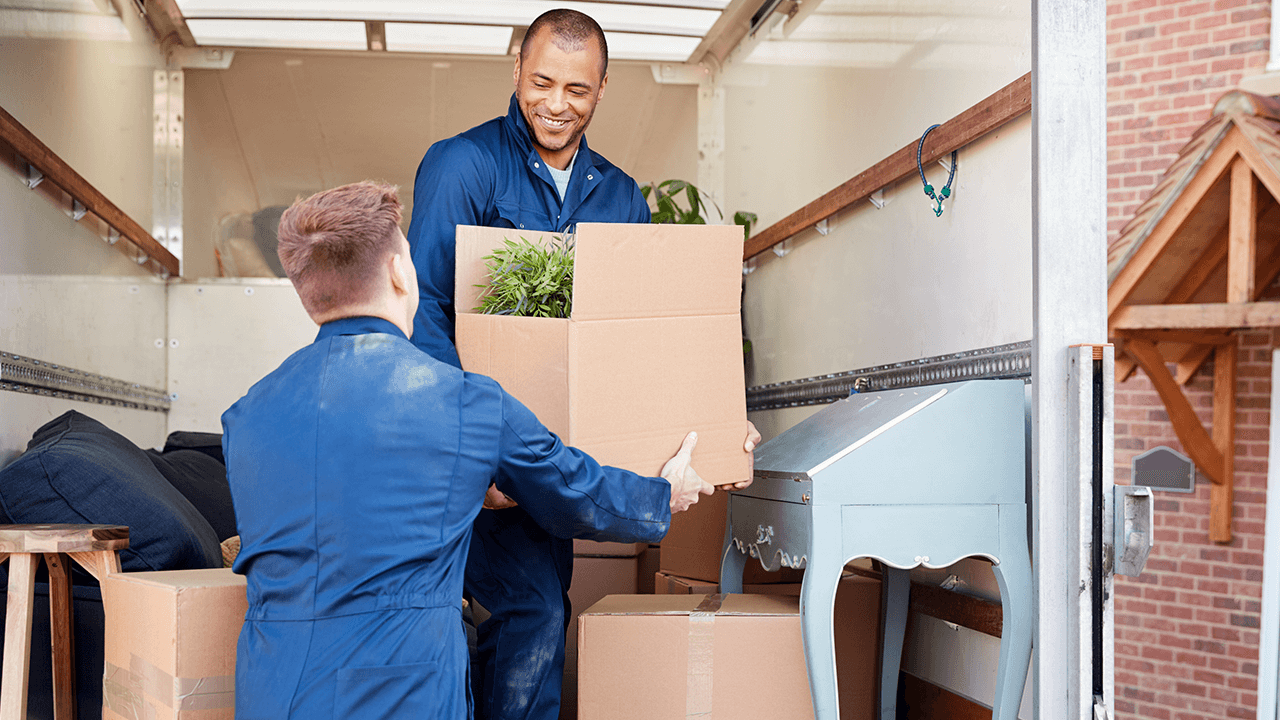
A long distance move can be unsettling for children, especially younger ones who don’t fully understand what’s happening or why. Involving them in age appropriate ways tends to ease the transition. Letting a child pack a small box of their own belongings, things they choose themselves, gives them a sense of control during a process that otherwise feels entirely out of their hands.
Talking through what to expect also helps. A simple conversation about what the new home looks like, what will stay the same (favorite toys, family routines), and what the moving day itself will involve can reduce a lot of anxiety, especially for kids who do better with predictability.
What to Pack Last and Unpack First
One of the most practical things a family can do is put together a first night bag or box for each person. This should include a change of clothes, toiletries, any medication, a favorite stuffed animal or comfort item for younger kids, and anything else needed to get through the first evening and morning in a new home without opening a single moving box.
This small step matters more than it seems. Arriving at a new home late in the day, tired and possibly still unpacking the truck, is a lot easier when nobody has to dig through unmarked boxes to find a toothbrush or pajamas.
Coordinating School and Medical Records
Long distance moves come with administrative tasks that are easy to underestimate. School records need to be requested from the current school and sent to the new one, and enrollment deadlines vary by district, so it’s worth starting this process as early as possible.
The same goes for medical care. Finding a new pediatrician, dentist, or any specialists your family sees regularly, and arranging for medical records to transfer, helps avoid a gap in care right when your family is already adjusting to a new routine. Handling this before the move, rather than scrambling after, makes the first few weeks in a new home noticeably less stressful.
Budgeting for a Larger Household
Family moves typically involve more volume than an individual move: multiple bedrooms of furniture, kids’ items, and often more fragile or sentimental belongings that need extra care in packing. This affects both the size of the move and the cost, so it’s worth budgeting with that in mind rather than comparing quotes meant for a one bedroom apartment.
Getting a detailed, in home or video estimate is especially useful for family moves, since the volume and specific needs (a piano, a large playset, fragile heirlooms) can vary widely from one household to the next.
The Bottom Line
A long distance move with kids takes more planning than a solo move, but it doesn’t have to be overwhelming. Build your timeline around your family’s schedule, involve your kids in the process, prepare a first night essentials box, get ahead of school and medical record transfers, and budget realistically for a larger household. With the right preparation and the right moving partner, a family relocation can go far more smoothly than it might seem at the outset.
Finding Reliable JDM Engines for Sale Near Me: A Buyer’s Roadmap
After hearing enough stories about buyers getting burned by a bad online shipment, more people are starting their search closer to home. There’s something reassuring about being able to see an engine in person before handing over money, rather than trusting photos and a seller’s description from across the country. The challenge is knowing where to actually look and how to make the most of that in-person advantage.
Why Buying Locally Has Real Advantages
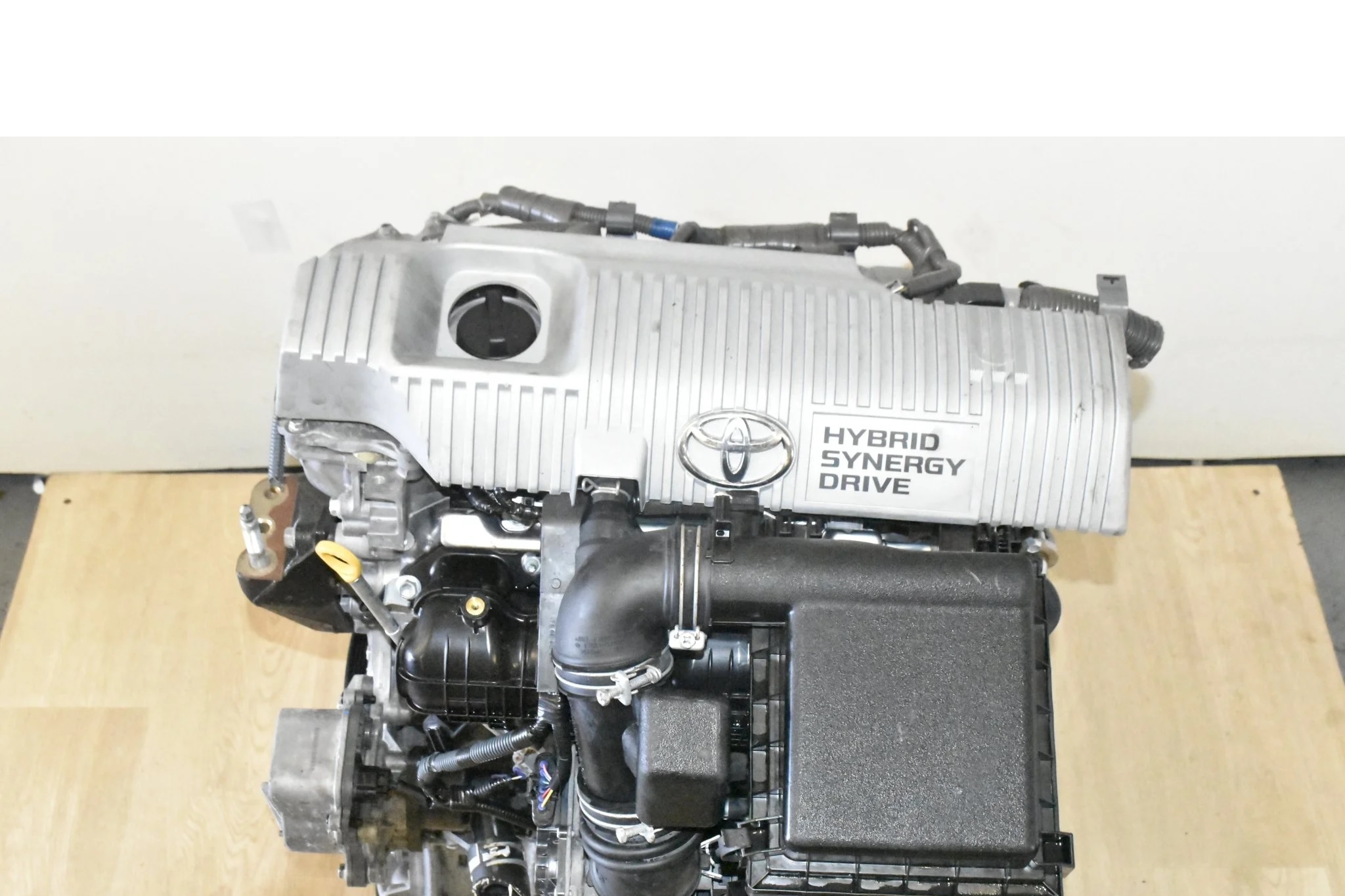
Searching for JDM engines for sale near me isn’t just about convenience, it comes with real practical benefits that online sourcing can’t fully replicate. Being able to inspect an engine in person before paying removes most of the guesswork that comes with relying on photos alone. There’s no shipping damage risk to worry about, no waiting weeks for freight to arrive, and often the ability to pick the engine up the same day once a deal is agreed on.
There’s also a relationship element that’s easy to overlook. A local seller or shop that treats you well on a first purchase is someone you can reasonably expect to work with again, which matters a lot more than it might seem the first time around.
Where to Actually Look for Local Sellers
Finding legitimate local sources usually comes down to a few reliable channels:
- Local import shops. Many now carry inventory directly or have relationships with importers, even if their main business is installation and tuning rather than sales.
- Car meets and enthusiast clubs. These remain one of the best ways to meet sellers directly and get a feel for their reputation before ever discussing a purchase.
- Regional online groups. Local Facebook groups, Discord servers, or regional forum sections often surface sellers that never show up in a broader national search.
- Word of mouth. Other builders in the area are often the fastest way to find a seller worth trusting, since their recommendations come with a built in track record.
What to Bring or Ask For During an In-Person Look
Buying locally gives you the chance to verify things that online buyers simply can’t. A few things worth doing during an in-person inspection:
- Bring a compression tester if you have access to one, or ask the seller if testing has already been done.
- Ask to see the engine run if that’s an option, since hearing it operate tells you far more than a static photo ever could.
- Check for the same red flags that apply to any used engine purchase: leaks, corrosion, unusual smells, or inconsistencies between what was described and what’s actually in front of you.
The physical inspection doesn’t replace due diligence, it just gives you a much better opportunity to catch problems before they become your problem.
Building a Long-Term Relationship With a Local Source
Once you’ve found a seller or shop that’s honest, responsive, and easy to deal with, it’s worth treating that relationship as valuable beyond the current purchase. Future builds, parts sourcing, and even referrals for other work often become easier once there’s an established relationship in place, rather than starting the vetting process over from scratch with someone new each time.
Weighing Convenience Against Confidence
Online marketplaces will always offer more selection and often better pricing on paper, but that convenience comes at the cost of not being able to verify anything in person before committing. For buyers who value the added confidence of seeing an engine firsthand, building relationships with local sellers and shops is often worth the tradeoff, especially for a purchase this significant.